
Home / Construction Site Portable Toilets
Sunnyvale rental guide
Portable restrooms for active job sites
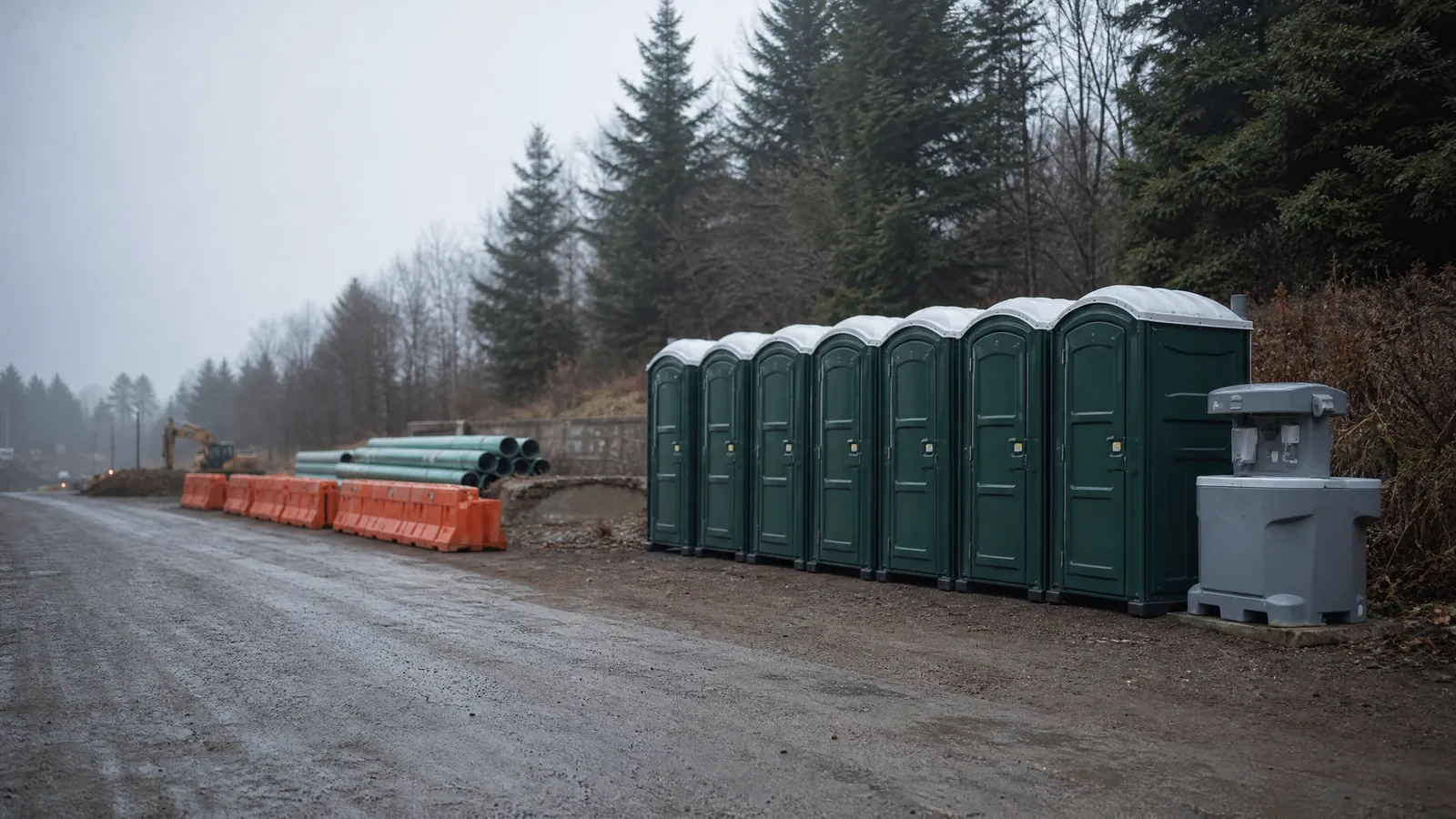
- Page copy: Construction projects run better when crews have clean, nearby restrooms. For new builds, tenant improvements, and infrastructure work, the right setup keeps people on task and sites compliant with health standards.
Start with the basics: unit count, placement, and access. Crews that grow during peak phases often need more capacity than early-stage work. We’ll help you think through where units should go—close enough to reduce downtime, but positioned to allow easy servicing without disrupting deliveries or crane picks. Where space is tight, a tidy single-unit pad may be best; larger sites often benefit from multiple clusters to shorten walk times.
Cleanliness and restocking matter on long timelines. A service plan matched to real use helps keep cabins fresh, stocked, and ready for every shift. If your site changes, we can talk about relocating units as areas get paved, fenced, or energized. Consider adding handwashing stations where crews eat or near break areas, especially when water access is limited.
Good planning now prevents mid-project headaches later. The goal is a restroom setup that works every day—rain or shine, slab to punch list.
What to consider - Crew size by phase, plus subcontractor overlap - Stable, level ground with service-truck access - Handwashing near lunch areas and high-traffic zones
FAQs Q: How close should units be to the work area? A: Keep walk time reasonable without blocking equipment routes. Many superintendents place units near break zones and add a second cluster near active work fronts.
Q: Can units be moved as the site evolves? A: Yes. When site conditions change, a planned relocation can maintain access and reduce downtime. Coordinate timing to avoid concrete pours or major deliveries.
Talk with a local rental desk
Choose the setup that fits.
We can help you talk through the practical details for your construction site portable toilets plan.
Get A Quote